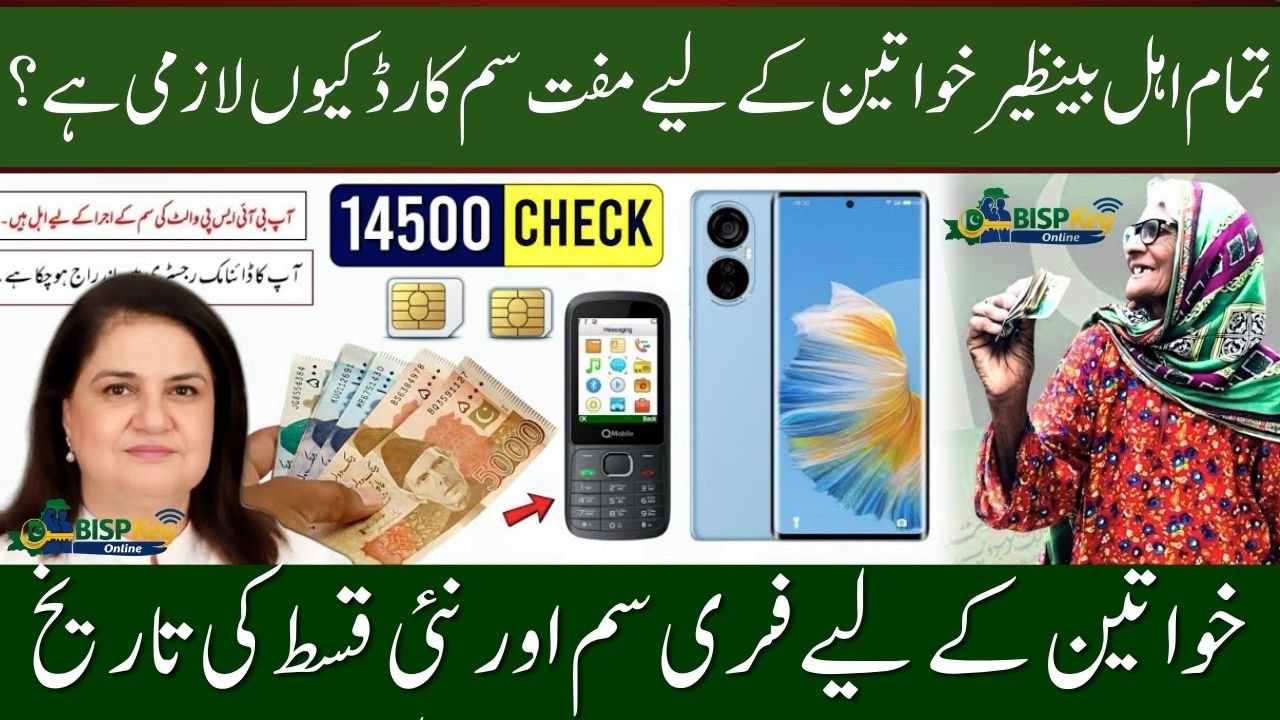
Social protection programs are only effective if the support reaches the people who need it most. Pakistan’s BISP (Benazir Income Support Program) is one of the largest cash assistance initiatives in South Asia. To ensure transparency, reduce fraud, and improve access, the government has made BISP Free SIM Cards compulsory for all beneficiaries. This step is not just about phones—it’s about secure, reliable communication and timely payments.
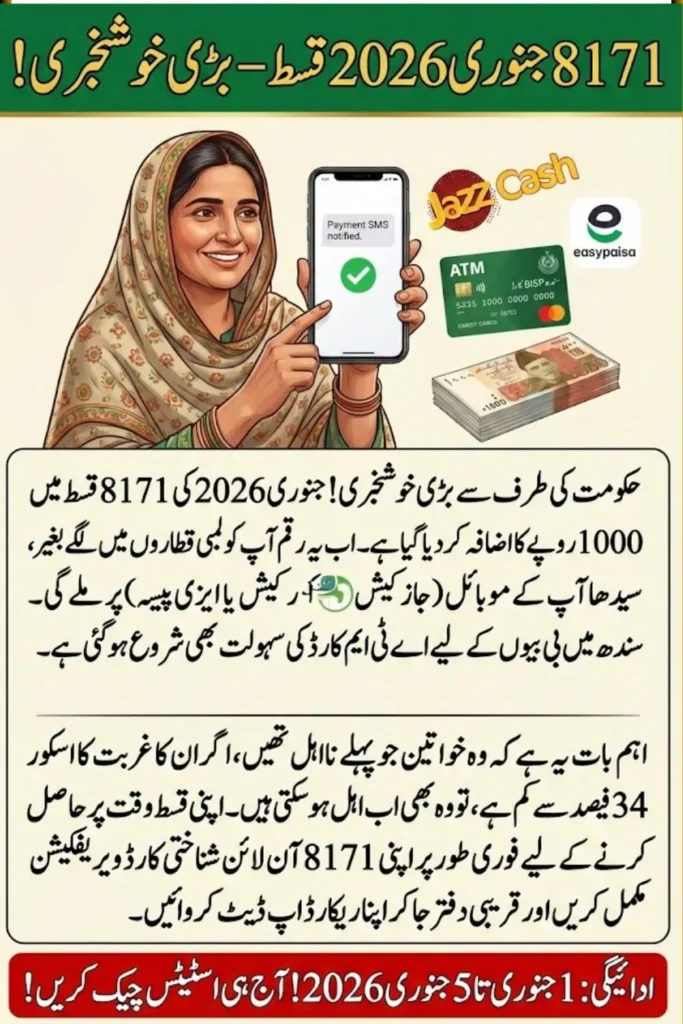
What is the BISP Free SIM Card Program?
The BISP Free SIM Card program provides eligible women beneficiaries with SIM cards linked to their CNICs (Computerized National Identity Cards). These SIM cards are used to send official alerts about payments, confirm identity during cash collection, and reduce fraud by ensuring that payments go directly to the rightful person.
Many beneficiaries face issues with payment delays because they do not have personal phones, rely on family members, or experience network-related problems. The SIM card ensures that the BISP system communicates directly with the beneficiary. Bisp Official Website
Why the SIM Card is Compulsory
The main reason BISP made SIM cards compulsory is to prevent fraud and delays.
Before this rule, beneficiaries sometimes missed payments due to wrong phone numbers or intermediaries collecting cash on their behalf. Compulsory SIM cards make sure that only the eligible woman receives payment alerts, verification messages, and updates directly from BISP.
Other benefits include:
- Improved monitoring of payments
- Faster complaint resolution
- Stronger accountability for agents and distributors
This approach strengthens the trust between the program and beneficiaries.
How SIM Cards Help Reduce Fraud
Fraud in cash transfer programs often occurs through intermediaries or false messages. With a CNIC-linked SIM card:
- Each card is unique to one beneficiary
- Payment alerts come from official BISP numbers
- Agents cannot impersonate beneficiaries
This system also reduces the risk of duplicate payments or fake claims. Digital tracking ensures that every rupee reaches the intended household.
The Role of Women in BISP Payments
BISP primarily targets women because studies show that women control household spending more efficiently. Money received by women is more likely to be used for food, health, and education.
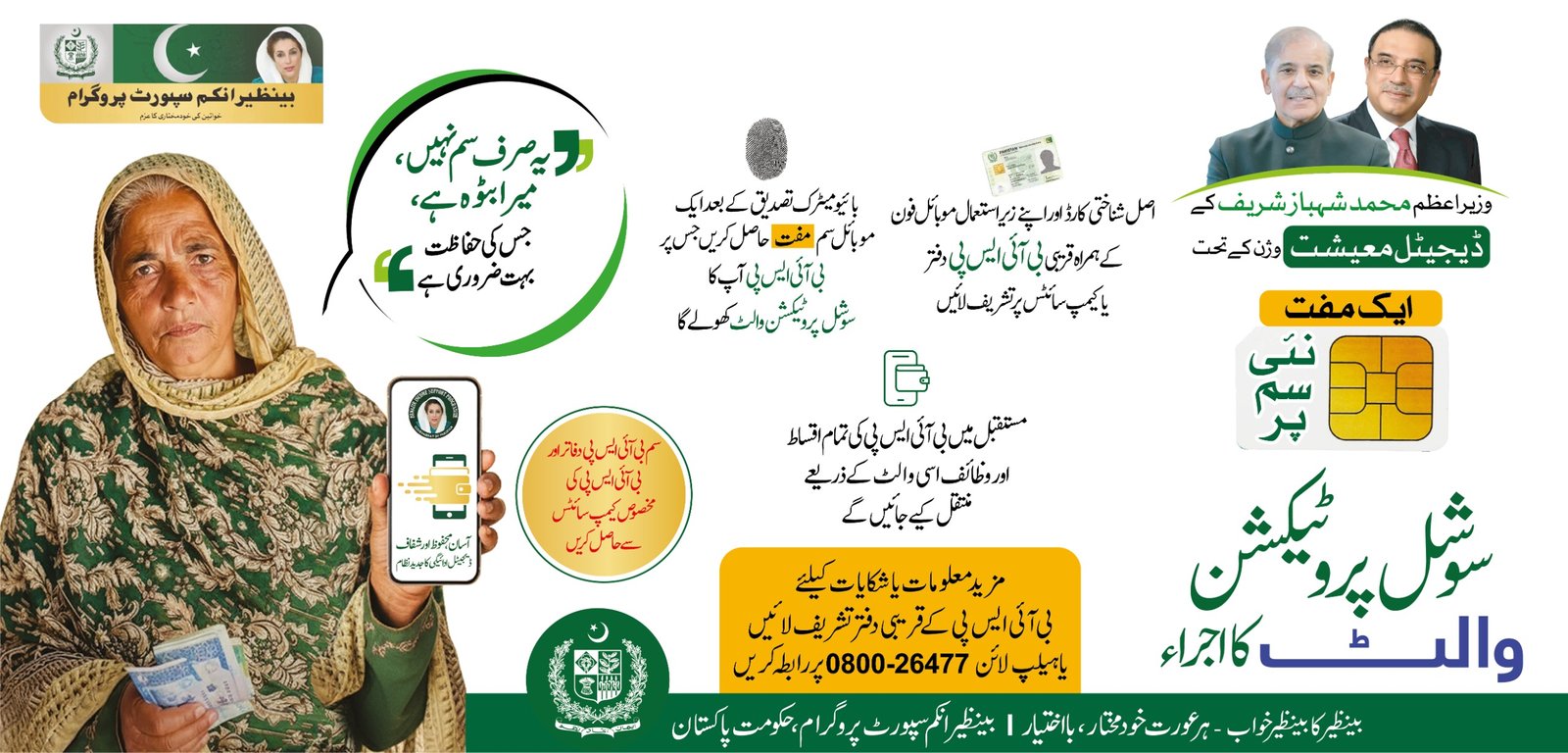
By linking payments to a SIM card in her name, a woman no longer needs to rely on male relatives or neighbors to receive updates. This strengthens financial independence and decision-making within the household.
How the Free SIM Card Works
- Distribution: Beneficiaries receive SIM cards in phases at official BISP centers.
- CNIC Verification: A CNIC check ensures the SIM is linked to the correct individual.
- SMS Alerts: Payment releases, schedules, and reminders are sent via SMS.
- Biometric Verification: Required at cash collection points to confirm identity.
No SIM charges apply. The card is free, and outgoing calls follow normal telecom rates. Internet access is not required for alerts.
When and Where Beneficiaries Get SIM Cards
SIM cards are distributed through designated BISP centers, district by district. Beneficiaries receive official SMS notifications about collection dates. Door-to-door delivery is not used to avoid fraud and maintain record accuracy.
Compulsory SIM cards ensure every woman receives official messages, reducing confusion and improving transparency.
Why SIM Cards Over Apps
Smartphone apps are less practical in rural Pakistan due to limited internet coverage and low smartphone ownership. A SIM card works on basic feature phones and ensures that:
- Alerts reach women even in remote areas
- No internet is required
- The system remains simple and reliable
This approach fits the ground reality and guarantees communication for all beneficiaries.
Connection With Other BISP Reforms
The compulsory SIM card system is part of broader BISP digital reforms, which include:
- Online CNIC verification
- Mobile wallet payment options
- Updated eligibility checks
SIM cards act as a bridge between beneficiaries and these new systems, ensuring smooth adoption and secure transactions.
What Beneficiaries Should Do Now
- Keep CNIC details updated
- Collect the SIM from the official center on the announced date
- Ignore calls asking for money or personal details
- Use the SIM only for BISP alerts
Following official procedures ensures safety and uninterrupted payments.
Impact on Rural Households
Women in rural areas face challenges like distance, shared phones, and network issues. The compulsory SIM card:
- Provides direct access to payment information
- Reduces travel to ask questions
- Reduces dependency on family or agents
Even small improvements in communication make a big difference in timely access to cash support.
Long-Term Benefits
The SIM card system ensures:
- Fewer complaints and disputes
- Direct communication with beneficiaries
- Better financial independence for women
- Greater trust in BISP programs
It’s a quiet but significant step toward strengthening Pakistan’s social protection system.
Conclusion
Making BISP Free SIM Cards compulsory is a practical solution to long-standing problems in cash transfer programs. It ensures secure, direct communication between BISP and beneficiaries, reduces fraud, improves transparency, and empowers women financially. By linking payments to CNIC-verified SIM cards, BISP guarantees that support reaches the people who need it most, creating a reliable and accountable social safety net across Pakistan.
FAQs
1. Why is the BISP SIM card compulsory?
It prevents fraud, ensures direct communication, and guarantees that only eligible beneficiaries receive payments and alerts.
2. Will the SIM card cost anything?
No. All BISP SIM cards are free for eligible beneficiaries.
3. Can a family member collect payment using the SIM card?
No. CNIC verification ensures only the registered woman can collect payments.
4. Do beneficiaries need a smartphone to use the SIM?
No. The SIM works on basic feature phones, and internet access is not required.
5. How will women know when to collect the SIM?
BISP sends official SMS notifications and announcements through local centers. Beneficiaries should ignore unofficial calls or messages.